Traditional Japanese braiding, or Kumihimo (組み紐), is an ancient art form that embodies centuries of Japanese history and culture. This artisanal technique, which involves braiding threads into strong and elegant cords, dates back to the Nara period (710-794), though its roots likely stretch back even further.
In its early days, Kumihimo was primarily used for functional ties and decorations. However, it quickly evolved into a refined art, used in religious, military, and social spheres alike. Today, this sophisticated craft is experiencing a resurgence, inspiring jewelers and textile designers who are fascinated by the precision and aesthetics of the technique.
Traditional Japanese History
In medieval Japan, Kumihimo was considered essential for both daily life and sacred rituals. Samurai used Kumihimo cords to lace and decorate their armor, securing various parts of their equipment with strong, aesthetic ties. These cords served a practical purpose while symbolizing the warrior’s status and discipline.
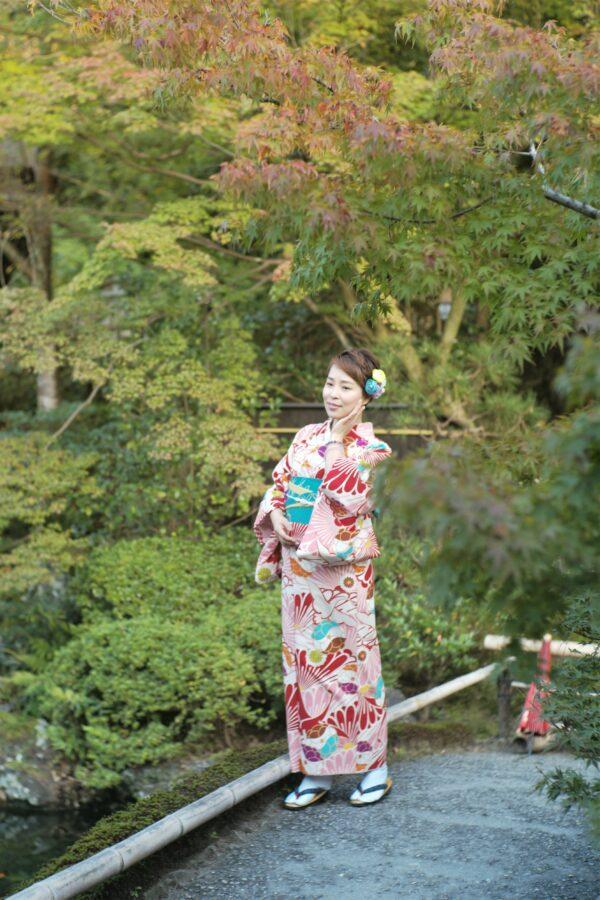
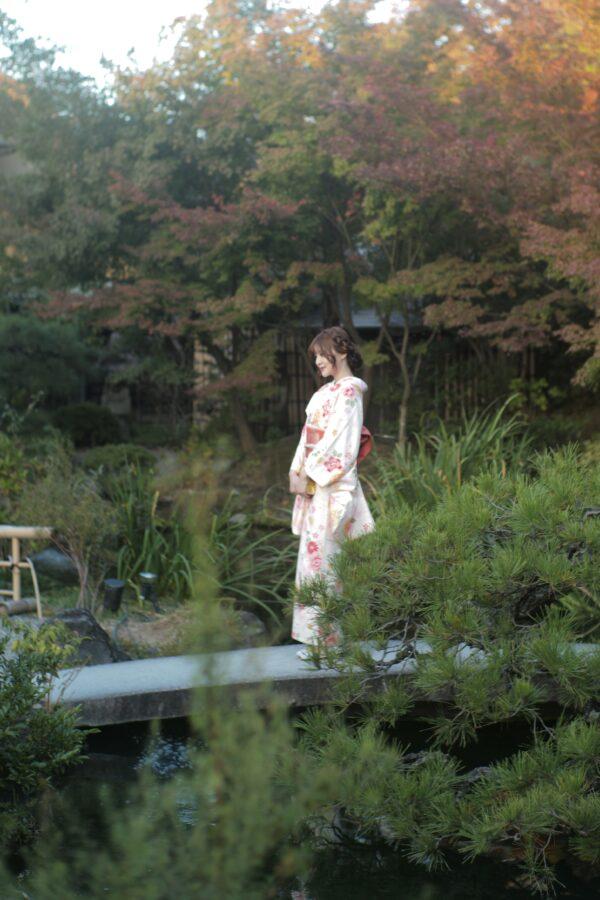
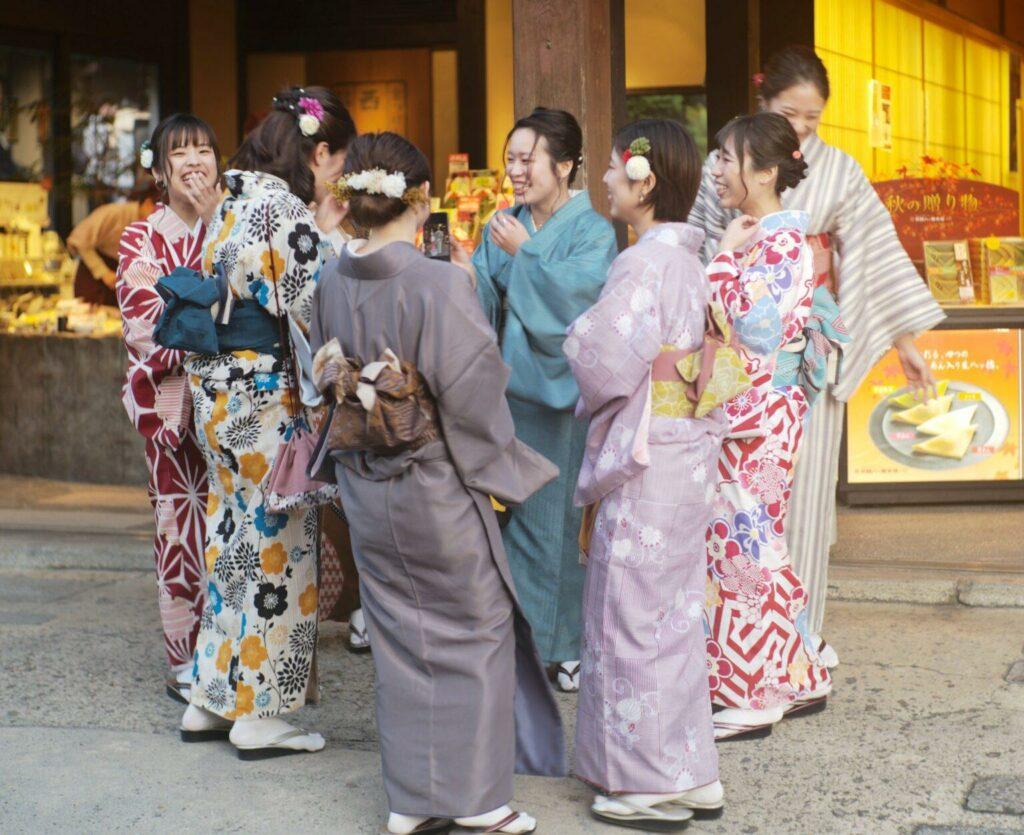
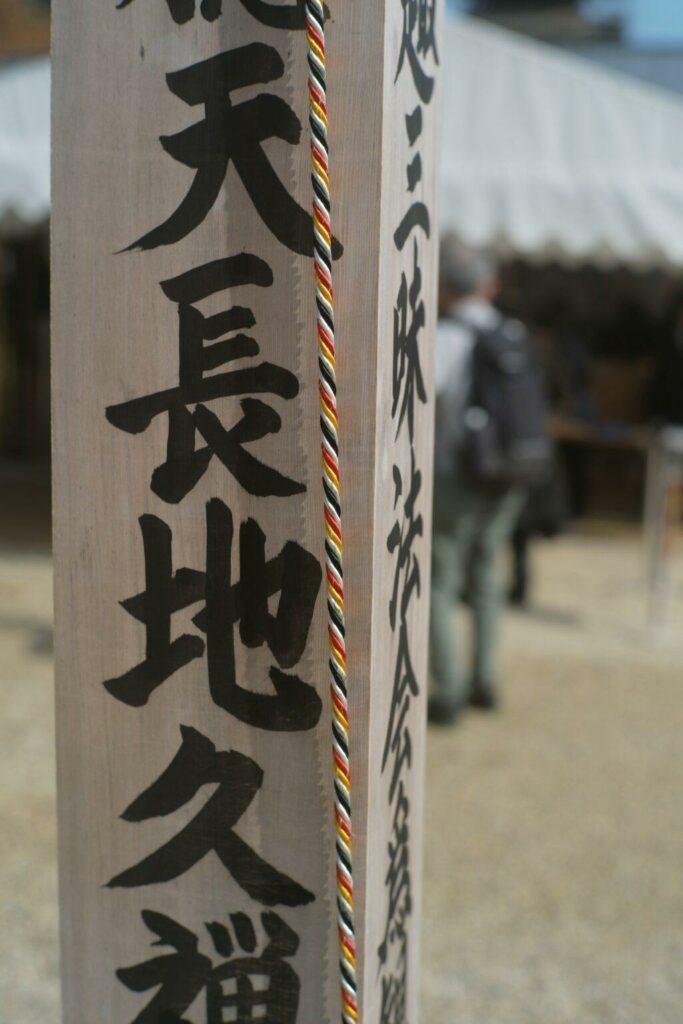
In temples, priests used braided cords to hang sacred objects and adorn altars. These cords are also found in traditional clothing as obijime—the elegant decorative ties used to hold the obi (belt) in place on a kimono. Even today, it is common to see people wearing kimonos in the streets of Kyoto and other major Japanese cities.
Japanese braiding Kumihimo Techniques and Materials
In medieval Japan, Kumihimo was considered essential for both daily life and sacred rituals. Samurai used Kumihimo cords to lace and decorate their armor, securing various parts of their equipment with strong, aesthetic ties. These cords served a practical purpose while symbolizing the warrior’s status and discipline.
In temples, priests used braided cords to hang sacred objects and adorn altars. These cords are also found in traditional clothing as obijime—the elegant decorative ties used to hold the obi (belt) in place on a kimono. Even today, it is common to see people wearing kimonos in the streets of Kyoto and other major Japanese cities.
Symbolism and the Art of Patience
Kumihimo is more than just a manual craft; it symbolizes values deeply rooted in Japanese culture, such as patience, precision, and the beauty of the ephemeral.
Braiding a Kumihimo cord is a long and meticulous process where every movement and every rotation of the threads contributes to the harmony of the whole. For master artisans, it is a way to focus the mind and perfect their skills over many years. The slightest error can alter the final pattern, demanding immense attention to detail.
Each creation is unique. Even when following traditional patterns, variations in color and material choices provide a personal touch. Kumihimo motifs can represent symbols of luck, longevity, or prosperity, and are often gifted as talismans or charms.

Modern Applications and the Revival of the Art of Japanese braiding
In contemporary Japan, there is a renewed interest in the art of Kumihimo. While its role in traditional dress has evolved, its aesthetic now inspires fields as diverse as jewelry, fashion, and interior design. Designers integrate Kumihimo cords into modern jewelry such as bracelets, necklaces, and keyrings.
The enthronement of Emperor Naruhito in 2019 sparked a desire among Japanese people to reconnect with traditional attire. In Kyoto, many schools continue to pass down the teaching of Kumihimo.
Furthermore, this art has crossed Japanese borders and spread worldwide. Craft enthusiasts often use the Kumihimo disk, a modern tool that makes the art accessible to beginners, while seasoned artisans continue to favor traditional techniques to create high-quality works.
Thus, Kumihimo remains a rich and inspiring discipline, bridging eras while evolving with contemporary tastes. A symbol of meticulousness and perseverance, it captivates a global audience, uniting generations and cultures through the timeless beauty of Japanese braiding.